The Discerning Eye: A Sophisticated Guide to Secondhand Shopping Done Right

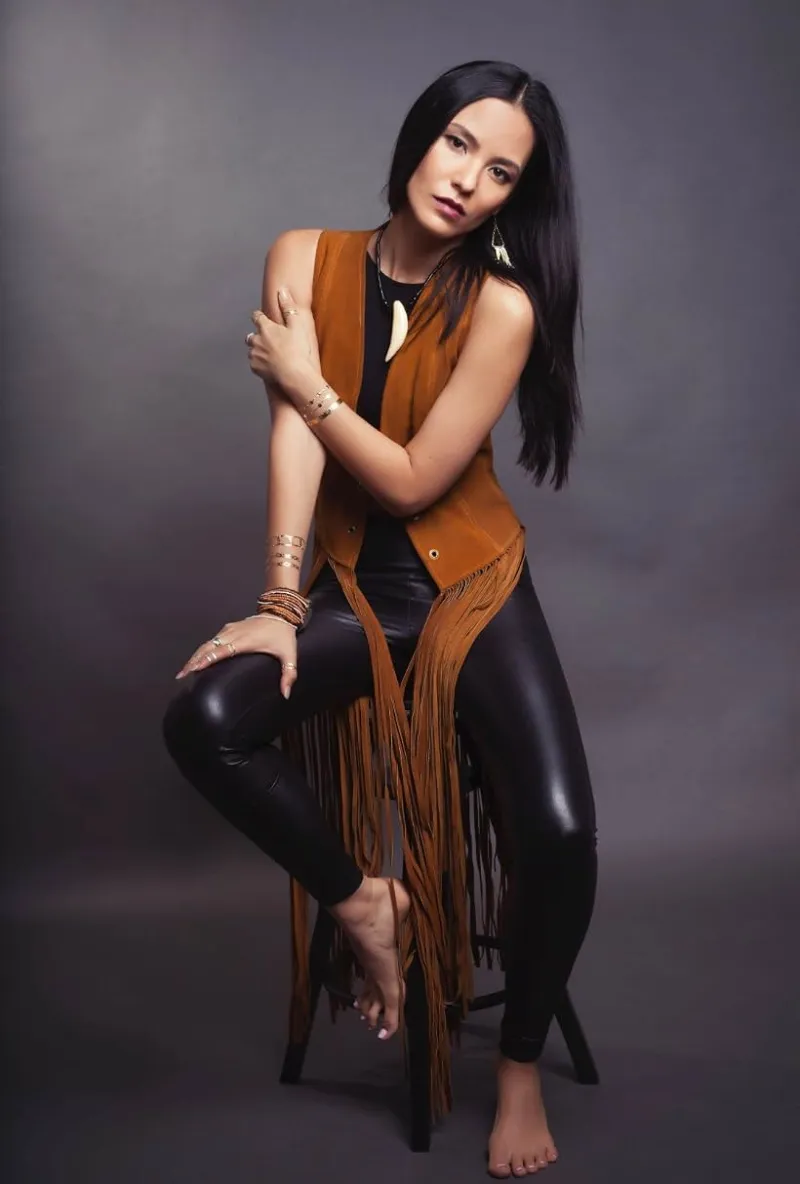
Photo by Photo by Becca McHaffie on Unsplash on Unsplash
There is a particular pleasure in finding something exceptional in an unexpected place. The silk blouse folded quietly between synthetic approximations. The structured blazer from a house that no longer produces at that level of construction. The leather bag that has developed, over its years of previous ownership, precisely the kind of patina that cannot be manufactured.
The American resale market — now valued in the tens of billions and growing faster than virtually any other segment of fashion retail — has made these discoveries more accessible than at any point in recent memory. Platforms like The RealReal, Vestiaire Collective, and Poshmark have formalized what was once a pursuit confined to the patient and the locally lucky. Brick-and-mortar consignment shops in cities like New York, Chicago, Los Angeles, and Washington, D.C., have elevated their curation to a level that rivals specialty retail.
And yet, for the fashion-conscious consumer whose standards are non-negotiable, the secondhand market can feel like a minefield as much as a treasure trove. The volume is vast. The quality is inconsistent. The time investment can be significant. Shopping it well is a skill — one that, once developed, pays consistent dividends.
Know Before You Go: The Importance of Pre-Search Clarity
The single most common mistake made by even experienced secondhand shoppers is entering the market without sufficient specificity. Browsing with a vague sense of "I'll know it when I see it" is a strategy that works occasionally and wastes time reliably.
Before engaging any platform or stepping into any consignment environment, establish what you are actually seeking. Not a category — a specification. Not "a blazer," but a double-breasted blazer in a dark neutral, structured, with natural fiber content, in a specific size range. The more precisely you can articulate your need, the more efficiently the search proceeds and the less susceptible you become to impulse acquisitions that don't ultimately serve your wardrobe.
This clarity also requires an honest understanding of your own fit requirements. Secondhand shopping does not accommodate the same level of return flexibility as conventional retail, and alterations, while often worthwhile, represent an additional cost and time commitment that should be factored into your evaluation.
Reading Quality: What to Examine Before You Commit
The ability to assess garment quality quickly and accurately is the core competency of sophisticated secondhand shopping. It is a skill built through practice and attention, and it begins with fabric.
Natural fibers — wool, silk, cotton, linen, cashmere — generally age better than synthetics and are typically indicative of a higher original price point. Check labels not just for fiber content but for country of manufacture and brand history. A garment made in Italy or France in the 1990s or early 2000s, before significant manufacturing shifts occurred in many heritage houses, may represent quality that those same brands no longer consistently produce.
Examine construction details with care. Turn garments inside out. Evaluate seam allowances — generous ones indicate that the maker anticipated alterations and longevity. Check the lining for integrity. On tailored pieces, press lightly on the shoulder and lapel; a well-constructed garment will hold its shape rather than collapse. Look at buttons: horn, mother-of-pearl, and metal buttons are markers of quality. Plastic replacements on otherwise fine garments are a minor concern; original plastic buttons on a purportedly high-end piece are a more significant one.
For leather goods, examine stitching regularity, hardware weight, and the interior of the bag or shoe. Genuine quality leather develops character with age rather than simply deteriorating. Peeling, flaking, or a plasticky smell generally indicates bonded leather or PU — materials that do not improve with time and are not worth significant investment.
Sourcing Strategy: Matching the Channel to the Goal
Not all secondhand channels are equally suited to every purchasing objective, and understanding the distinctions saves considerable time.
Authenticated online platforms such as The RealReal and Vestiaire Collective are best suited for investment-level designer pieces where provenance and authentication matter. Prices are higher than other secondhand channels but include professional verification. These platforms are particularly efficient for accessories — bags, shoes, and fine jewelry — where authentication is most critical and condition is most consequential.
Consignment boutiques in major American cities often carry a curated mid-to-high range selection and allow for the tactile assessment that online shopping cannot replicate. Developing a relationship with the staff at a well-regarded local consignment shop is genuinely valuable; buyers who know your preferences will alert you to relevant arrivals before pieces reach the floor.
Estate sales and high-end thrift stores in affluent zip codes — a strategy as old as secondhand shopping itself — remain among the highest-value channels available. The Goodwill Boutique locations in cities like Dallas and Atlanta, along with independent thrift operations in wealthy suburban neighborhoods, regularly yield extraordinary pieces at fractions of their original value. The trade-off is time and unpredictability.
Peer-to-peer platforms like Poshmark and Depop require the most due diligence from the buyer but offer the widest selection and the most room for price negotiation. Request additional photographs before purchasing. Ask specific questions about condition. Review seller ratings carefully.
The Psychology of Vintage: Resisting the Novelty Effect
One of the more underappreciated challenges of secondhand shopping is the psychological pull of novelty — the tendency to overvalue a piece simply because it is unusual, old, or a perceived "find." This is the mechanism that fills closets with beautiful but unwearable acquisitions.
Apply the same evaluative standard to secondhand pieces that you would apply to anything purchased at full price: Does this serve a specific, identified function in my actual wardrobe? Does it work with what I already own? Would I pay the equivalent of its true market value for it if I encountered it in a conventional retail context?
The answer to all three questions should be yes before a purchase is justified.
Integration: Making Secondhand Feel Intentional
The most sophisticated secondhand wardrobes are invisible as such. Pieces from the resale market sit alongside contemporary purchases without hierarchy or visible distinction. The key to this integration is consistency of quality and coherence of aesthetic.
A vintage Burberry trench coat belongs in the same wardrobe as a current-season cashmere turtleneck because both reflect the same commitment to quality and the same considered aesthetic. What the secondhand piece adds is individuality — the particular cut of a previous decade, the specific colorway that is no longer produced, the provenance that gives a wardrobe depth rather than mere correctness.
This is, ultimately, what the resale market offers the discerning dresser: not just savings, but singularity. In an era when fashion has become increasingly homogenized, the capacity to dress with genuine individuality is a form of sophistication that no new collection can fully replicate.